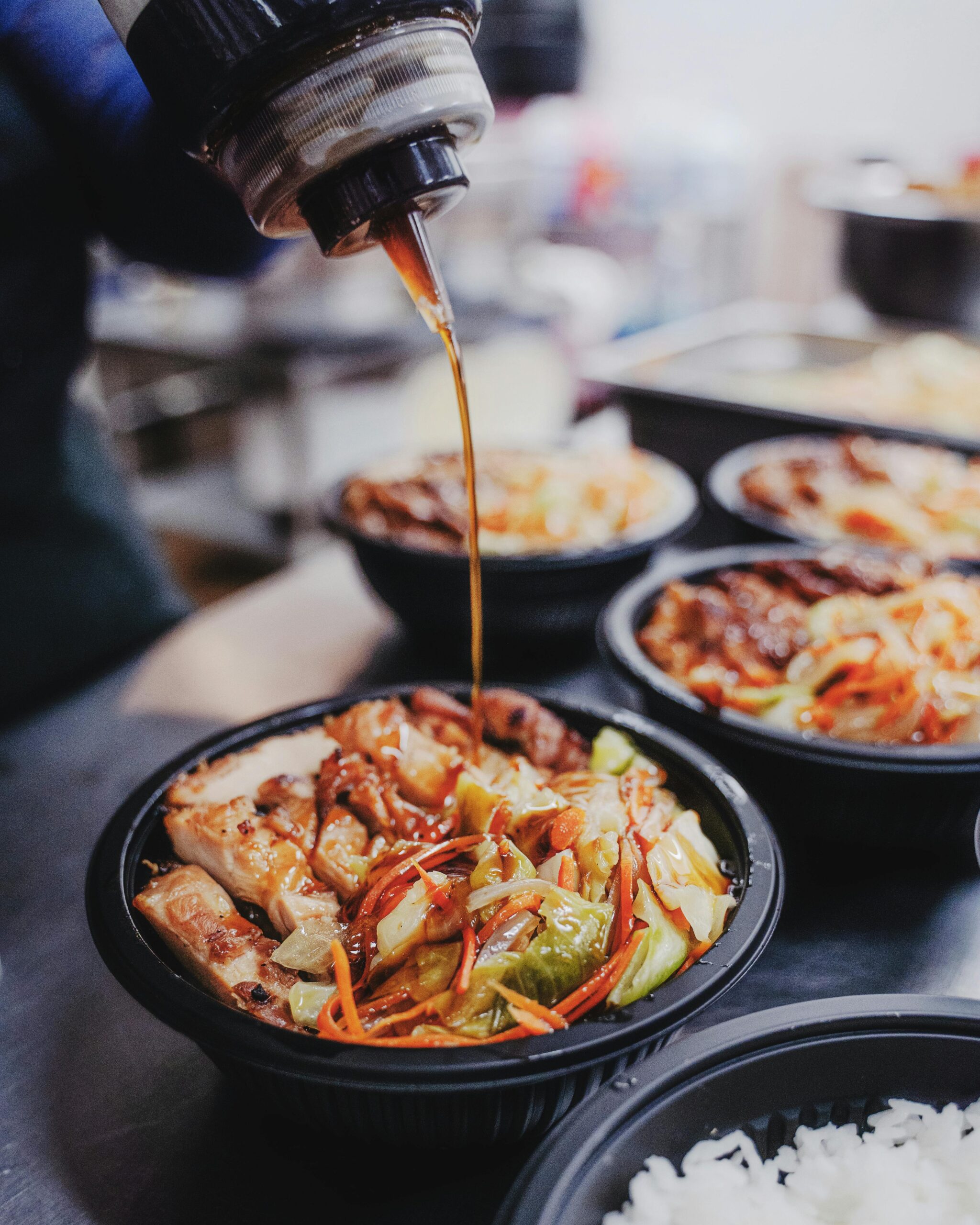
Chicken Karahi is one of the most famous and loved dishes in Pakistan. Whether it’s a roadside dhaba, a high-end restaurant, or a family dinner at home, restaurant-style chicken karahi is always a top choice. Cooked in a traditional wok-like pan called a karahi, this dish is known for its rich tomato base, bold spices, fresh ginger, and irresistible aroma.
Many people think restaurant-style chicken karahi cannot be made at home, but the truth is quite the opposite. With the right ingredients, correct cooking technique, and a little patience, you can make authentic Pakistani chicken karahi at home that tastes just like your favorite restaurant.
In this detailed guide, you will learn step-by-step how to cook chicken karahi restaurant style, along with cooking tips, variations, common mistakes, and serving ideas.
What Makes Chicken Karahi “Restaurant Style”?
Restaurant-style chicken karahi is different from regular home curries in several ways:
-
Cooked on high flame
-
Uses fresh tomatoes instead of onions
-
Cooked in oil or desi ghee
-
Finished with fresh ginger, green chilies, and coriander
-
Thick, glossy gravy with separated oil
The key is bhunai (slow frying) and proper moisture control, which gives karahi its signature taste.
Ingredients for Restaurant-Style Chicken Karahi
Using fresh and quality ingredients is essential for achieving authentic flavor.
Main Ingredients
-
1 kg chicken (with bone, medium pieces)
-
5–6 fresh tomatoes (finely chopped or crushed)
-
½ cup cooking oil or desi ghee
-
2 tablespoons ginger-garlic paste
-
4–6 green chilies (slit)
-
Salt to taste
Spices
-
1½ teaspoons red chili powder
-
1 teaspoon crushed red chili (optional)
-
1 teaspoon turmeric powder
-
1 tablespoon coriander powder
-
1 teaspoon freshly crushed black pepper
-
1 teaspoon garam masala (added at the end)
Garnish
-
Fresh coriander leaves
-
Julienned fresh ginger
-
Green chilies
-
Lemon slices (optional)
Step 1: Preparing the Chicken
Wash the chicken thoroughly and let excess water drain. Chicken with bones is preferred for restaurant-style karahi because it gives deeper flavor and richer gravy.
Avoid using frozen chicken if possible, as fresh chicken cooks better and tastes more authentic.
Step 2: Cooking the Chicken on High Flame
Heat oil or desi ghee in a wide, heavy-bottomed karahi or pan. The wide surface allows moisture to evaporate quickly, which is important.
Add chicken pieces directly to hot oil and cook on medium-high flame for 5–7 minutes until the chicken changes color and releases its natural juices.
Stir occasionally but do not over-mix.
Step 3: Adding Ginger-Garlic Paste and Spices
Add ginger-garlic paste and sauté until the raw smell disappears. Now add:
-
Salt
-
Red chili powder
-
Turmeric
-
Coriander powder
-
Black pepper
Mix well and cook for 2–3 minutes. This step helps spices blend into the chicken.
Step 4: Adding Tomatoes (The Heart of Karahi)
Add crushed or finely chopped tomatoes to the chicken. This is the most important step.
Cook on high flame, stirring continuously. Tomatoes will release water first, then slowly start thickening.
You must cook until:
-
Tomatoes completely break down
-
Oil separates from the masala
-
Gravy becomes thick and glossy
This process can take 15–20 minutes, but it defines restaurant-style taste.
Step 5: Bhunai (Proper Frying)
Bhunai means frying the masala until oil separates. Keep stirring and scraping the bottom so the masala doesn’t stick or burn.
This step gives chicken karahi its:
-
Deep color
-
Rich aroma
-
Authentic dhaba-style taste
Patience here makes a big difference.
Step 6: Adding Green Chilies and Final Spices
Once oil separates clearly:
-
Add slit green chilies
-
Add garam masala
Mix gently and cook for another 3–5 minutes on medium flame.
Taste and adjust salt or spice level if needed.
Step 7: Garnishing and Finishing Touch
Turn off the flame and garnish generously with:
-
Fresh coriander
-
Julienned ginger
-
Green chilies
Cover and let it rest for 5 minutes so flavors settle.
How to Serve Chicken Karahi (Restaurant Style)
Chicken karahi tastes best when served hot with:
-
Naan
-
Tandoori roti
-
Chapati
-
Salad (onion, lemon, cucumber)
-
Cold drinks or lassi
Serve directly in the karahi for an authentic restaurant feel.
Tips for Perfect Restaurant-Style Chicken Karahi
-
Always cook on high heat
-
Use fresh tomatoes, not canned
-
Do not add water unless absolutely necessary
-
Avoid onions for true karahi taste
-
Use less spices but better technique
Common Mistakes to Avoid
Many people fail to get restaurant taste due to small mistakes:
-
Adding water too early
-
Using blender tomato puree (kills texture)
-
Cooking on low flame
-
Using too many spices
Keeping it simple is the secret.
Popular Variations of Chicken Karahi
White Chicken Karahi
Made with yogurt, cream, and white pepper instead of tomatoes.
Shinwari Chicken Karahi
Uses only tomatoes, salt, green chilies, and fat—no heavy spices.
Lahori Chicken Karahi
Extra spicy with more chilies and desi ghee.
Each variation has its own fan base.
Health Benefits of Homemade Chicken Karahi
When cooked at home:
-
Less oil than restaurants
-
Fresh ingredients
-
No artificial colors
-
High protein from chicken
Balanced portions make it a healthy meal.
Frequently Asked Questions (FAQs)
Can I make chicken karahi without desi ghee?
Yes, regular cooking oil works fine, but ghee enhances flavor.
Why is my karahi watery?
Tomatoes were not cooked properly or flame was too low.
Can I use boneless chicken?
Yes, but bone-in chicken gives better taste.
How long does chicken karahi last?
Up to 2 days in the refrigerator.
Why Chicken Karahi Is So Popular in Pakistan
Chicken karahi represents:
-
Pakistani food culture
-
Simplicity with bold flavor
-
Social dining and gatherings
It’s a dish that never goes out of style.
Final Thoughts
This restaurant-style chicken karahi recipe proves that you don’t need fancy equipment or professional training to cook authentic Pakistani food at home. With fresh ingredients, proper heat, and patience, you can recreate the same rich taste found in top restaurants.
For food bloggers and niche websites, this type of detailed, evergreen, original content is ideal for AdSense approval, as it offers real value, clear instructions, and user engagement.